
"coffee plant introduction"
20000 article(s) found

Classification of coffee introduction of coffee types introduction of boutique coffee beans
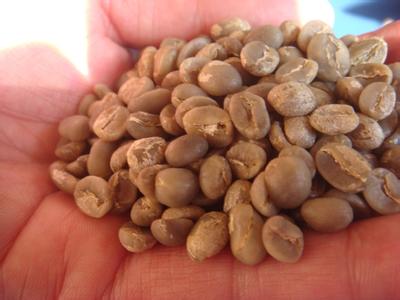
Classification of plants Coffee beans Coffee trees belong to the evergreen tree of Rubiaceae. Rubiaceae plants have been dominated by plants with special effects since ancient times, such as quinine tree, which is regarded as a specific drug for malaria, and Dugen, which is used to treat amoeba dysentery. Coffee is defined as the most unique alkaloid drinking flora. The fruit of coffee consists of outer skin, pulp, endocarp, silver skin, and the above-mentioned layers.
Introduction to the planting Environmental treatment of Coffee beans in Santa Rita Manor, Colombia
The Environmental treatment of Coffee beans at Santa Rita Manor in Colombia the suitable climate in Colombia provides a real natural pasture for coffee. Coffee trees in Colombia are mainly cultivated in the Andes, on steep slopes about 1300 meters above sea level, where the annual temperature is about 18 degrees Celsius, annual rainfall is 2000 to 3000 millimeters, and latitude 1-11-15.

Introduction to the Grinding scale of varieties for description of altitude and Flavor of Coffee planting in Honduras
Honduran coffee planting altitude flavor description environment characteristics variety grinding scale introduction Honduran coffee has a rich and mellow taste, taste is not astringent but not sour, mellow and aroma are very high, quite individual. Honduran coffee can lead to multiple levels of flavor depending on the degree of roasting. Medium baking maximizes the sweetness of beans, while deep baking makes it bitter.

Brief introduction to the Origin of Grinding scale with planting pattern treatment method for Nicaraguan Coffee Flavor
Nicaraguan coffee flavor characteristics planting pattern treatment grinding scale origin brief introduction of coffee is Nicaragua's main export product. According to the president of the Nicaraguan Coffee Farmers' Federation, due to the poor harvest of coffee in Nicaragua's Pacific region, the country's total coffee production in 1998 may be 12% lower than that in 1997. 1997 to 1998 coffee year, Nicaragua received a total of

Introduction to the planting method of Puerto Rican Coffee Tree with strong Flavor
Yaocote's coffee, grown on three farms in the southwest of the island, is fragrant and has a long aftertaste. This kind of coffee is very expensive and its flavor is comparable to that of any other coffee variety in the world. In the Yaoke area, the coffee is owned and operated by the local planter. The mountain climate here is mild, the plants have a long ripening period (from October to February), and the soil quality is excellent.

Yejia Shefei Red Cherry Li Ke Processing Plant Introduction Red Cherry Program Coffee Bean Production Subdivision
Ethiopia Yirgacheffe Gorbota Samuel Natural G1 Ethiopian Sun-dried Red Cherry Project Yirgacheffe G1 Gorbota Village Li Ke Processing Factory Cup Test Flavor: Tropical fruit, red apple aroma, passion fruit, comprehensive fruit jelly, sour and sweet balance, cocoa aftertaste Introduction:

Introduction to the hardware equipment of Bourbon Honey treatment Coffee planting in Tarazhu three Miracle Manor, Costa Rica
For the exchange of professional baristas, please follow the coffee workshop (Wechat official account cafe_style) Product name: Tara Pearl three Wonders Manor, Costa Rica Bourbon Honey treatment (Costa Rica Finca Tres Milagros Bourbon Honey) production area: Tara Zhu (Tarrazu) Multi-Tower (Dota) processing Plant: Volume Microprocessing Plant (Bajo del Rio) Manor: Sanqi

Introduction to the planting Environment of Burundian Coffee Flavor description and Grinding degree characteristics
Burundian coffee bears a striking resemblance to neighboring Rwanda, where coffee from the two countries is often confused. Burundian coffee is mainly grown in bourbon, with traditional wet processing of coffee cherries. Its boutique coffee is characterized by elegant sweetness and bright citrus aromas. This batch belongs to the Bourbon species microbatch country: Burundian growth: 1750 males

Flavor description of Yunnan small-grain Coffee A brief introduction to the method of Taste treatment in planting Environment and producing area
Brief introduction of Yunnan small Coffee Flavor description planting Environment production area Taste treatment method Yunnan coffee varieties have been judged, what about the excellent iron pickup and bourbon before? In the new promotion and planting, there are still a lot of hills left to continue to grow old varieties of coffee, but, popularly speaking, backward places do not have the protection of origin and a single species, one mountain, 10 families, all kinds of

Introduction to the planting requirements of natural weather for the yield of coffee trees
The yield of coffee trees on the requirements of natural weather is introduced to Xinglong, which is to try the authentic Xinglong coffee. On May 1, Yang Huining, a tourist from Heilongjiang, specially went to Xinglong to taste the coffee praised by Premier Zhou. Dong Yunping, associate researcher of the Chinese Academy of Tropical Agricultural Sciences and director of the Coffee Research Center, told reporters that with the rising tourism fever in Hainan in recent years, our province has

Flavor description of AA Coffee Bean producing area in Kenya Variety introduction of Manor Taste treatment method
Kenya AA coffee producing area flavor description manor taste treatment variety introduction now, while the excellent Kenyan auction system and coffee are gradually introduced in all East African countries, there are numerous problems in production. Kenya, as an example of advances in planting technology in Africa, is developing disorderly. At present, the coffee is still of high quality, but if the auction system does not continue

Introduction to the Flavor description method of Yunnan Tieka Coffee Bean Grinding scale planting Environment
Yunnan Tieka coffee beans flavor description treatment method grinding scale planting environment China's coffee cultivation is concentrated in Yunnan Province and Hainan Province, Yunnan has a large output, with an annual output of about 26000 tons in recent years, accounting for 90% of the national output. It is said that Yunnan coffee came from the French 70 or 80 years ago. The main variety is Arabica Arabica, the so-called small seed coffee, commonly known as Yun in China.

Introduction to the planting characteristics, flavor and taste of Salvadoran coffee beans
El Salvador coffee beans are characterized by planting characteristics, flavor and taste. In the 19th century, coffee in El Salvador was an important cash crop, and the government legislated to collect taxes and encourage planting and export. although coffee farmers in the country cannot get technical or financial assistance, they are excellent among many coffee-producing countries in terms of the growth of production per hectare. The output value of coffee is like fire

Costa Rican breeze treatment plant Monte Brisas Salaka Manor Finca Salaca introduction
Professional barista exchanges please follow the coffee workshop (Wechat official account cafe_style) Costa Rican coffee has always been considered to be the perfect type of classic flavor, balanced, clean, gentle and supple tone, this batch of coffee beans, through the recent Costa Rican microprocessing plant rookie Monte Brisas raw bean treatment, with black honey treatment to retain the unique flavor of Villalobos

Introduction of planting Flavor in Linglong producing area of Columbia
Follow caf é (Wechat official account vdailycom) found that Beautiful Cafe opened a small shop of its own production area: Narino province is located in the southwest of Colombia, 640km away from the capital Bogota. It joins Ecuador in the south, Cauca province in the north, Huila province in the northeast, Putumoyo province in the southeast and the Pacific Ocean in the west. There are magnificent mountains and beautiful scenery here, and

2016 Costa Rica COE Champion processing Plant introduction Costa Rica Shumawa processing Plant
In 2016, one of the two estates of the Costa Rican champion processing plant Shumawa processing plant (Sumava de Lourdes), the Monte Llano Bonito manor won the 2016 CoE Cup. In 2015, the Costa Rica CoE Cup ranked 13th (Finca Monte Llano Bonito). There are two manors Monte Llano Bonito and Monte Lourdes.

Costa Rica San Roman Coffee Bean planting area introduction Flavor description planting History
Professional baristas Please follow the Coffee Workshop (Wechat official account cafe_style) most of the best coffee in Costa Rica seems to come from small processing plants in several major coffee producing areas, including Tarazhu and the Western Valley. This so-called coffee revolution originated 15 years ago and has greatly changed the way bean baking experts and importers think about Costa Rican coffee. Take the treatment plant as

Introduction to the planting conditions and Environment of Coffee in Nicaragua
Los Congo Manor is located in the town of San Fernando in New Segovia, Nicaragua, in the north of Nicaragua, near the Honduran border, which is the highest producing area in Nicaragua (an average of more than 1500 meters). Near the other side of it, it is also the best producing area in Honduras. Los Congo Manor is one of the few estates that are self-sufficient, raising their own livestock,

Description of taste and flavor of Costa Rican yellow honey coffee A brief introduction to the Cooperative of processing Plant
A brief introduction to the Cooperative of processing Plant of Costa Rican Yellow Honey Coffee Costa Rican coffee, known as extra hard beans, can grow above 1500 meters above sea level. Altitude has always been a problem for coffee growers. The higher the altitude, the better the coffee beans, not only because the higher altitude can increase the acidity of coffee beans and thus increase the flavor, but also because of the higher altitude.

Introduction to Robusta Coffee, the planting method of Kenyan Coffee varieties
The Kenyan coffee variety was first brought to Kenya to be planted in Bourbon bourbon. In the 1950s, through unremitting efforts, the then agricultural research institution Scott Laboratory selected two excellent hybrids, SL-28 and SL-34, subverting the long-standing prejudice that artificial breeding varieties are not excellent natural varieties. SL-28 and SL-34 help Kenyan coffee